Posted on 30/09/2026
Bouquets for Weddings Strand on the Green Chiswick: A Practical Guide to Choosing Beautiful Wedding Flowers
Planning Bouquets for Weddings Strand on the Green Chiswick can feel wonderfully exciting and a bit overwhelming at the same time. You want flowers that look elegant in photos, hold up through the day, and suit the rhythm of your wedding without stealing the spotlight from everything else. That balance matters more than people expect. A bouquet is small, yes, but it carries a lot of visual weight. It frames the dress, sets the tone, and quietly ties the whole floral story together.
In Strand on the Green and wider Chiswick, weddings often have that lovely mix of riverside calm and London polish. So the bouquet needs to fit the setting as well as the couple. In this guide, you'll find clear advice on style, seasonality, timing, budgeting, and the little decisions that make wedding flowers feel thoughtful rather than rushed. We'll also touch on related arrangements such as bridesmaid bouquets, buttonholes, and table pieces, because honestly, the bouquet rarely stands alone.
If you are comparing styles, checking what to order, or just trying to make sense of the choices, you're in the right place.
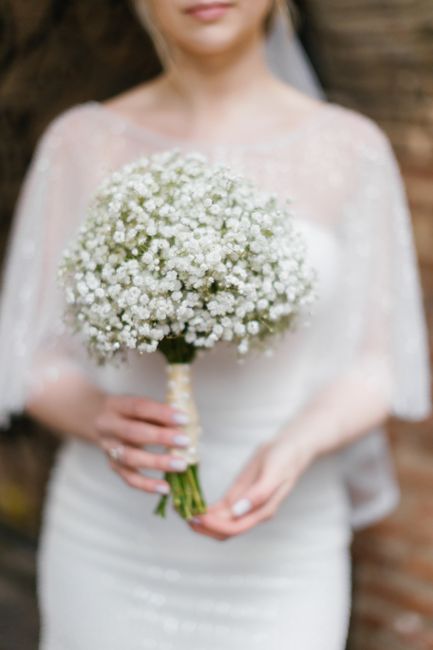
Why Bouquets for Weddings Strand on the Green Chiswick Matters
A wedding bouquet is more than a pretty hand-tied bunch. It's one of the first floral details guests notice, and one of the details you'll keep seeing in your photos for years. In a local setting like Strand on the Green, where venue styles can vary from intimate pubs and riverside rooms to more formal spaces nearby, the bouquet helps anchor the whole aesthetic. It tells people, before anyone speaks, whether the day is romantic, modern, relaxed, classic, or a little bit of all four.
That is why Bouquets for Weddings Strand on the Green Chiswick should be chosen with care. The right bouquet supports the dress silhouette, complements the season, and works with the scale of the venue. A big trailing bouquet can look incredible in a grander setting, but on a smaller riverside terrace it may feel too heavy. Similarly, a neat garden-style bouquet can look perfectly refined in a chic Chiswick space, but in very formal surroundings you may want something with a little more structure.
There's also a practical side. The bouquet needs to be comfortable to hold, durable enough to cope with travel and photography, and designed so it still looks fresh after a few hours of hugs, heat, and a bit of nervous excitement. Let's face it, wedding mornings are not exactly calm spa days. They're lovely, but busy.
When people get the bouquet right, everything else tends to sit better too. The bridesmaid flowers, buttonholes, and table pieces suddenly make sense as part of one story instead of separate purchases. That coherence is often what gives wedding florals their quiet impact.
How Bouquets for Weddings Strand on the Green Chiswick Works
The process is usually simpler than couples fear, though there are a few moving parts. It normally starts with your wedding date, venue, colour palette, and dress style. From there, the florist or designer translates the brief into a bouquet that fits the day. A good wedding bouquet is not chosen from a shelf by chance; it is planned around shape, stem strength, flower behaviour, and timing.
Here's the basic flow:
- Share the wedding details. Think venue, season, dress fabric, bridesmaid colours, and any flowers you love or dislike.
- Decide on the bouquet style. Hand-tied, compact, cascading, soft and natural, or more structured and polished.
- Choose the flowers. This may include roses, lilies, lisianthus, orchids, hydrangeas, or seasonal mixed blooms depending on the look.
- Match the supporting pieces. Bridesmaid bouquets, buttonholes, corsages, and table arrangements can echo the same palette.
- Confirm delivery or collection timing. Freshness matters, so the flowers should be arranged as close to the wedding as practical.
- Plan care on the day. Keep bouquets cool, out of direct sunlight, and in water when not being carried.
If you want to browse broader wedding options, it can help to look at the weddings collection and then narrow down to the details that suit your day. Many couples also compare the main bridal bouquet with complementary pieces like the bridesmaid bouquets and buttonholes so the whole arrangement feels coordinated rather than piecemeal.
In practice, the best bouquets are shaped by conversation. A florist will usually ask what you want the flowers to feel like, not just what you want them to look like. That's a helpful distinction. "Elegant but not stiff" is a much better brief than "white flowers please," because it gives room for the design to breathe.
Key Benefits and Practical Advantages
The obvious benefit is beauty, of course. But there's a lot more going on than that.
- Visual cohesion: The bouquet ties together the dress, venue, and colour palette.
- Photography impact: Close-up shots, ceremony images, and candid portraits all benefit from a well-designed bouquet.
- Emotional meaning: Flowers often carry family memories, cultural symbolism, or personal preferences.
- Seasonal harmony: Using flowers that suit the time of year usually improves freshness and value.
- Comfort and usability: A well-balanced bouquet is easier to hold for long periods and looks better in movement.
- Consistency across the day: Matching bouquet styles to buttonholes and table flowers creates a polished overall result.
There's also a quiet logistical advantage. When the bouquet is designed properly, it causes fewer last-minute headaches. No awkward stem lengths. No oversized blooms blocking your face in photos. No pale flowers fading into a pale dress. Those things sound small until you are standing at the venue ten minutes before the ceremony wondering why everything feels slightly off. You really do notice the details then.
For couples who prefer a refined look, a bouquet can also be made to complement elegant wedding collections such as the Pure Romance wedding collection or the Royal Essence wedding collection, both of which suit polished, romantic styling. If you want a softer, more contemporary feel, those are worth exploring.
Expert summary: The best wedding bouquet is not the biggest or the most expensive. It is the one that suits your dress, your venue, your season, and your personality without trying too hard. That's the sweet spot.
Who This Is For and When It Makes Sense
This topic matters to anyone planning a wedding in or around Strand on the Green Chiswick, but it is especially relevant if you want the flowers to feel considered rather than generic. A bouquet becomes important very quickly when the day involves photography, a clear colour scheme, or more than one attendant.
Bouquets for weddings make sense for:
- Brides and brides-to-be who want a bouquet that matches the dress and the venue.
- Couples planning intimate ceremonies who still want a strong visual focal point.
- Wedding parties needing coordinated bridesmaid bouquets and groom buttonholes.
- Couples who care about seasonality and want flowers that feel natural for the time of year.
- Anyone balancing beauty and budget and wanting to know where to spend and where to simplify.
It makes particular sense if your wedding is in a setting where detail matters. Strand on the Green has that blend of riverside character and London elegance, so a bouquet that feels too formal can look out of place, while one that is too casual may not do the setting justice. You want something that belongs.
To be fair, some couples spend ages on menus and music and only glance at flowers near the end. That's understandable, but the bouquet is in almost every ceremony image. It is one of those small decisions that keeps paying you back after the day is over.
Step-by-Step Guidance
If you want a practical route through the process, use this simple framework. It keeps decisions grounded and stops the bouquet from becoming an endless Pinterest rabbit hole.
1. Start with the venue and dress
Look at the shape of the dress first. A sleek gown usually works well with a more structured bouquet, while a fuller dress can carry something looser and more natural. Then think about the venue. Is it light and airy, cosy and intimate, or more dramatic? The bouquet should feel like it belongs there.
2. Choose the mood before the flowers
People often ask for specific flowers too early. The better question is: what should the bouquet feel like? Soft and romantic? Modern and bold? Fresh and understated? Once the mood is clear, the flower selection becomes easier.
3. Pick a palette that works in real life
Always test colours against the dress fabric and bridesmaid outfits. Some whites are creamy, some are bright, and some are cool-toned. A pale bouquet can disappear against ivory fabric if the contrast is too weak. A small touch of greenery or blush can help, but not always. It depends.
4. Confirm flower availability early
If you have your heart set on roses, hydrangeas, orchids, or lilies, discuss them early. Some blooms are more seasonal or more delicate than others. A florist can usually suggest alternatives that preserve the same mood even if the exact flower changes.
5. Coordinate the supporting flowers
Wedding bouquets look better when the rest of the floral story is thought through. That might include table arrangements, corsages, or a bouquet for a bridesmaid. You don't need everything to match exactly. In fact, exact matching can feel a bit forced. But there should be a family resemblance.
6. Plan handling on the day
Ask who will hold the bouquet before the ceremony, where it will be stored, and who will carry it during transport. A bouquet can wilt if left in warmth too long, especially in summer. A cool room and a bit of water make a real difference.
7. Rehearse the practical moments
This sounds small, but it helps. Practice holding the bouquet at a comfortable angle. Check how it sits against the dress. If you are short, a very large bouquet can overwhelm you. If you are taller, a tiny bouquet may look lost in photos. Small thing, big effect.
Expert Tips for Better Results
Here's where the finer points matter. These are the things that usually separate a decent bouquet from one that looks effortlessly right.
- Use contrast thoughtfully. Pale dresses often need a little depth in the bouquet, whether through greenery, blush tones, or richer centre blooms.
- Pay attention to scale. Bouquet size should balance the wearer, not just the flowers on their own.
- Don't chase trends blindly. A bouquet that looks fashionable online may not suit your venue or dress. Trends are useful, not rules.
- Think about movement. Flowers with a natural, slightly relaxed shape can look beautiful as you walk, especially in outdoor or riverside settings.
- Ask about freshness windows. Some stems hold better than others. A florist should be able to steer you toward sturdier choices if your day is long.
- Keep one or two focus flowers. Too many varieties can make a bouquet feel busy. A clear focal point usually photographs better.
- Use scent carefully. A lightly scented bouquet can be lovely; an overpowering one is less lovely in a warm room. Subtle is often best.
In our experience, couples are happiest when they leave some creative space. The brief can be precise without being rigid. "White and soft with a little texture" gives better results than "exactly these six flowers, in this exact order." Florists appreciate that too, and yes, we do notice when we're being trusted.
If you like a fuller, luxury feel, consider browsing luxury flowers for inspiration. If your taste leans simpler, the florist choice style can be a smart way to get a design that feels fresh and seasonally grounded.
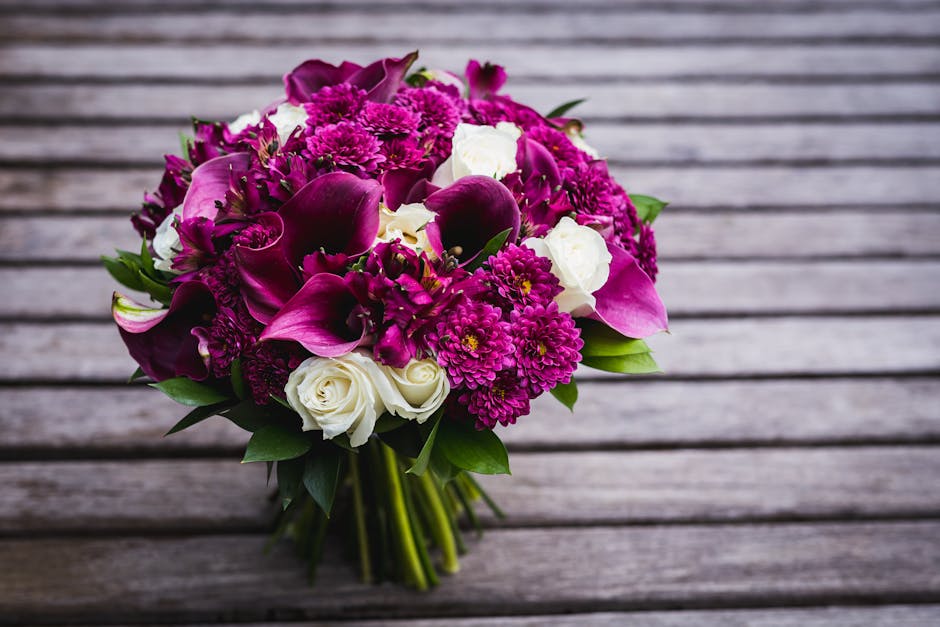
Common Mistakes to Avoid
Wedding flowers are easy to overcomplicate. A few common mistakes show up again and again.
- Leaving bouquets too late. Good wedding florals need time for planning, sourcing, and coordination.
- Choosing style before context. A bouquet that looks beautiful on a screen may not suit your dress or venue.
- Ignoring the weather. Heat, rain, and travel all affect flower performance. London weather does what it wants, frankly.
- Making everything match too closely. Some variation helps the day feel layered and natural.
- Forgetting the photos. The bouquet should look good from above, from the side, and at close range.
- Overcrowding the palette. Too many colours can blur the look, especially in small bouquets.
- Not checking handling details. You do not want to be searching for water, ribbon, or a safe place to keep flowers at the eleventh hour.
One thing people underestimate is stem finish. If the bouquet is wrapped beautifully but difficult to hold, it can become awkward very quickly. Another is scent. A bouquet can be stunning and still not be right if it is too heavy on fragrance for the ceremony space. Little things. But they matter.
Tools, Resources and Recommendations
You do not need a complicated toolkit to plan wedding bouquets well. A few practical resources and decisions will go a long way.
- Venue photos: These help judge colour, light, and scale.
- Dress swatches or photos: Useful for checking tone against ivory, white, champagne, or coloured gowns.
- Seasonal inspiration boards: Helpful, as long as they don't turn into a random mix of every flower ever grown.
- Guest count and table plan: This gives a sense of how much supporting floral work you may want.
- Product categories: Browse related ranges such as bridal bouquets, wedding corsages, and table arrangements to build a full picture.
If your wedding budget is being carefully managed, it can help to compare premium and simpler options side by side. For example, a design from White Wonders wedding collection may suit a classic palette, while a more expressive design from The Perfect Match wedding collection may feel better if you want a fuller floral narrative.
Another practical recommendation: ask about delivery and care. A bouquet that arrives on time but then sits in a warm hallway for hours is not going to look its best. Short delivery windows and clear handover instructions make a real difference. If you need general service details, the site's delivery information and flower care guidance are useful starting points.
Law, Compliance, Standards, or Best Practice
For wedding flowers, there usually isn't a heavy legal layer in the way there might be for catering or transport. Still, best practice matters. Good florists work with clear order details, transparent payment terms, sensible delivery expectations, and straightforward cancellation or substitution policies. That is basic professionalism, not a luxury.
If you are ordering from a UK florist, it is sensible to review terms and conditions, refund policies, and delivery guidance before confirming. That protects both sides and reduces friction if the plan changes. Weddings can shift date, headcount, or styling choices, and everyone is calmer when those possibilities have been discussed up front.
There are also ethical and sustainability considerations worth keeping in mind. Some couples prefer seasonal flowers, reduced packaging, or more locally minded sourcing where possible. If that matters to you, ask early rather than as an afterthought. It is easier to design sustainably from the start than to retrofit it later.
For site-level reference, the florist's terms and conditions, returns and refund policy, sustainability page, and payment information help set expectations. That sort of clarity matters, especially when wedding planning gets hectic and nobody wants surprises.
In practice, the standard to aim for is simple: clear communication, accurate product descriptions, reliable timing, and flowers that match the spirit of the event. Not glamorous, maybe. But very necessary.
Options, Methods, or Comparison Table
Different bouquet styles suit different weddings. Below is a simple comparison to help you think through the options.
| Style | Best for | Strengths | Things to watch |
|---|---|---|---|
| Hand-tied bouquet | Classic and romantic weddings | Natural shape, comfortable to hold, versatile | Can look too casual if not balanced well |
| Compact bouquet | Minimal, modern, or formal settings | Neat, elegant, tidy in photos | Less airy or textured than looser styles |
| Cascading bouquet | Statement bridal looks | Dramatic and luxurious | Heavier, needs careful handling, not ideal for every dress |
| Garden-style bouquet | Soft, relaxed, seasonal weddings | Natural movement, abundant texture | Can feel messy if overfilled |
| Rose-led bouquet | Timeless and versatile styling | Reliable, romantic, easy to coordinate | Needs texture or foliage to avoid looking flat |
If you're unsure, a middle-ground hand-tied design is often the safest and most adaptable option. It works well in outdoor settings, smaller ceremony spaces, and weddings where you want elegance without too much fuss. That said, the best choice is always the one that fits the whole picture. Not just the bouquet itself.
For couples comparing related products, the bouquet can be paired with options such as the SI bridal bouquet, Forever Yours bridal bouquet, or a more contemporary style like The One bridal bouquet. Looking at several styles side by side often makes your own preference much clearer.
Case Study or Real-World Example
Imagine a couple planning a late-spring wedding near the river in Strand on the Green. The ceremony is intimate, the venue has plenty of natural light, and the bride wants something romantic but not overly fussy. She wears an ivory dress with soft structure, and the bridesmaids are in muted green. Pretty straightforward on paper, but with a few subtle decisions to make.
In that kind of setting, a bouquet built around roses, lisianthus, and gentle greenery would work beautifully. It would feel fresh in the daylight, photograph well against the dress, and complement the outdoor mood without competing with it. A heavy, overdesigned bouquet would probably feel too formal. A very small posy might get lost. The sweet spot sits in the middle.
The florist might also suggest coordinating bridesmaid bouquets with slightly less volume and similar tones, plus simple buttonholes for the wedding party. Table arrangements could echo the same palette so the reception feels unified. That is the kind of decision-making that makes a wedding look intentional, even when the budget is sensible rather than lavish.
And here's the real point: nobody at the wedding is thinking, "What a technically impressive bouquet." They're thinking, "That looks lovely." That's the win. Quiet, natural, exactly right.
Practical Checklist
Use this checklist before confirming your wedding flowers. It saves time, and a surprising amount of stress.
- Have you confirmed the wedding date and venue?
- Do you know the dress colour and shape?
- Have you chosen a palette or mood for the flowers?
- Are you clear on your bouquet size preference?
- Have you considered bridesmaid bouquets and buttonholes?
- Do you know whether you want seasonal flowers or a specific bloom?
- Have you checked delivery timing for the wedding day?
- Have you reviewed payment, terms, and refund information?
- Do you have a plan for storing the flowers before the ceremony?
- Have you asked how the bouquet will be wrapped, finished, and handed over?
- Have you checked whether the design suits your photos and venue lighting?
- Have you allowed a little flexibility for substitutions if needed?
Quick practical takeaway: the more clearly you define the mood, setting, and timing, the easier it is to get a bouquet that feels elegant and effortless. A good bouquet should make the day smoother, not add another layer of decision fatigue.
Conclusion
Choosing Bouquets for Weddings Strand on the Green Chiswick is really about matching feeling with function. The bouquet has to look beautiful, yes, but it also needs to suit the venue, the season, the dress, and the flow of the day. When those pieces line up, the flowers stop being just an accessory and become part of the atmosphere of the wedding itself.
Keep the decision simple at heart: start with the mood, check the practical details, and choose flowers that can carry the day comfortably. If you do that, you will usually end up with something far better than a trend-led bunch pulled together in a hurry. And better still, it will feel like yours.
If you are ready to compare styles, explore wedding ranges, or narrow down the right bouquet for your plans, take the next step with confidence. The right flowers have a way of making everything else click into place.
Get a free quote today and see how much you can save.
Frequently Asked Questions
What flowers are best for wedding bouquets in Strand on the Green Chiswick?
The best flowers are usually the ones that suit your season, colour palette, and dress style. Roses, lisianthus, orchids, lilies, hydrangeas, and mixed seasonal blooms are common choices because they can be styled in many ways. A good florist will also help you choose flowers that hold well through the day.
How far in advance should I order a wedding bouquet?
Earlier is better, especially if you want a specific style or flower type. Wedding flowers are usually planned well ahead so there is time to discuss the brief, confirm availability, and coordinate bridesmaid bouquets, buttonholes, and table arrangements.
Can I match my bouquet to my bridesmaids' flowers?
Yes, and that is often the easiest way to create a polished look. The bouquets do not need to be identical. In fact, a little variation usually looks more natural. Similar tones, flower types, or ribbon finishes are often enough.
How do I choose the right bouquet size?
Think about your height, dress shape, and overall style. A compact bouquet can look neat and refined, while a larger bouquet makes more of a statement. The goal is balance. If the bouquet feels like it is wearing you, it is probably too big.
Are seasonal flowers better for wedding bouquets?
Often, yes. Seasonal flowers are usually fresher, more naturally suited to the time of year, and easier to source in a way that feels sensible. They can also help with budget control. That said, some out-of-season flowers can still be used if they are available and appropriate.
What should I do with the bouquet before the ceremony?
Keep it cool, shaded, and in water when possible. Avoid leaving it in direct sun or in a warm car. On busy wedding mornings, it helps to assign someone to keep an eye on it so you are not juggling flowers, hair, and timing all at once.
How much should I expect to spend on wedding bouquets?
Costs vary depending on flower choice, size, complexity, and the number of arrangements you need. It is best to ask for a quote based on your actual brief rather than guessing. That gives you a more honest picture and helps you decide where to scale up or simplify.
Can I use the same florist for bouquets, buttonholes, and table flowers?
Yes, and it is often a smart approach. Using one florist or one coordinated collection helps the whole wedding feel consistent. It also makes planning easier because the palette and timing are handled together rather than in separate pieces.
Do wedding bouquets need to match the venue exactly?
No, but they should complement it. A bouquet for a riverside wedding in Strand on the Green may feel softer and more natural than one for a formal ballroom. Matching the atmosphere matters more than matching every detail perfectly.
What if I want a bouquet but I do not know my style yet?
Start with what you dislike, then narrow down the mood. Do you want soft, classic, bold, modern, or romantic? Looking at a few bridal bouquet styles can help you spot patterns. Sometimes the right answer appears once you see a few options side by side.
Are there good options for a simpler or smaller wedding budget?
Yes. Simpler designs can still look elegant if the colours, shape, and flower choices are well considered. A florist choice design or a smaller hand-tied bouquet can be a very good fit. You do not need the most expensive flowers to create a beautiful result.
What happens if a flower I want is unavailable?
Substitution is quite normal in wedding floristry, especially if you are working with seasonal blooms. A good florist should suggest a similar alternative that keeps the overall look and feel intact. That way the bouquet still works beautifully, even if one specific stem changes.